

A Surprising Reality: The Hidden Dangers of Old Wiring
In many homes across North Carolina, particularly those built several decades ago, outdated electrical wiring poses serious risks that often go unnoticed by new and established homeowners alike. Whether you're a DIY enthusiast planning a renovation or a contractor preparing a home for sale, understanding the implications of old wiring is crucial for safety and functionality.
In 'What MOST People Don't Know About Old Wiring!', the discussion dives into the risks associated with outdated electrical systems, prompting us to explore essential insights and resources for homeowners.
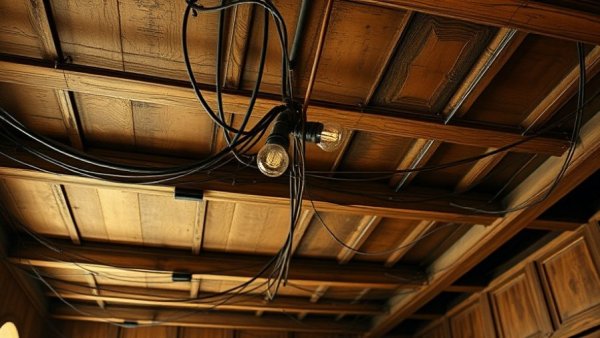
One key fact highlighted in the discussion around this subject is that older homes often feature knob-and-tube wiring, which was the go-to method of electrical installation in the early to mid-20th century. While effective in its day, this type of wiring does not meet modern electrical standards. It can lead to numerous issues, including a higher likelihood of electrical fires, inefficient energy use, and difficulty accommodating modern appliances and technology.
Why Upgrading Wiring Matters for Homeowners
Homeowners often overlook the importance of upgrading old wiring for several reasons, including cost concerns and a lack of awareness. However, investing in modern electrical systems can not only enhance safety but also increase property value. For those looking to sell or just improve the functionality of their home, upgrading electrical systems is an essential undertaking.
Moreover, enhanced wiring systems allow for better energy efficiency. Modern wiring supports the growing number of devices we rely on without causing system overloads, a common issue with outdated systems. Therefore, the need for a thorough assessment of one's electrical infrastructure becomes paramount when considering any home improvements or DIY projects.
What to Expect During an Electrical Upgrade
For those planning any electrical upgrades, it's crucial to consult professionals who understand the nuances of home wiring. Electricians can conduct safety inspections, replacing outdated wiring while ensuring all new installations meet current safety codes. Homeowners should expect a thorough review of their electrical panel, as older systems often require updates to accommodate newer wiring setups.
Furthermore, the incorporation of eco-friendly practices can give homeowners peace of mind that their upgrades not only protect their home's safety but also contribute to energy conservation. Selecting energy-efficient fixtures and appliances will yield even greater benefits down the line.
Engaging Local Resources for DIY Projects
For those committed to DIY home improvement projects, understanding the right tools and resources is crucial. Homeowners in Asheville, Raleigh, and Charlotte NC can benefit from tailored recommendations for starter toolkits that keep projects affordable and manageable.
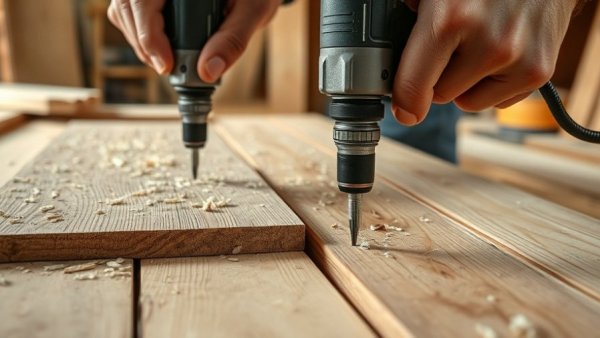
Some of the best affordable DIY toolkits available cater to specific projects such as kitchen renovations or deck building. Essential tools in these kits often included are compact power tools designed for ease of use in smaller spaces, making them perfect for North Carolina homes. Moreover, leveraging local hardware stores offers insights into which tools best suit local climates and building styles.
The Importance of Safety Standards
When handling DIY projects, especially those involving electrical upgrades, safety cannot be overstated. The National Electrical Code (NEC) outlines stringent safety standards that need to be adhered to during installations. This includes proper grounding, circuit protection, and the use of GFCI appliances in areas prone to moisture.
By understanding these requirements, homeowners can better navigate their obligations and protect themselves and their families from potential dangers tied to poor wiring and inadequate installations.
Embracing Modern Technology in Home Renovation
Technological advancements have also transformed how we approach home renovations. Innovations in smart home technology, for instance, allow homeowners to manage electrical systems more effectively while enhancing energy efficiency. Smart devices can alert owners to any electrical issues before they become hazardous, enabling timely action.
As new technologies continue to emerge, incorporating them into renovation plans allows North Carolina homeowners twofold benefits: ensuring homes are up-to-date with safety standards and enhancing everyday living conditions.
In summary, understanding the hidden dangers of old wiring and the necessity for updates is vital for homeowner safety and smart home management. With local resources available, including toolkits and professional guidance, the path forward leads to safer, more efficient living environments.





Write A Comment