

The Showdown: DeWalt vs. Milwaukee Power Tools
In the dynamic realm of power tools, two brands rise above the rest: DeWalt and Milwaukee. Both offer cutting-edge technology and performance-driven designs that appeal to both seasoned contractors and DIY enthusiasts. But what happens when we pit them against each other in a real-world test? Let’s dive into the blind hole test and see how these tools measure up.
In 'DeWalt VS Milwaukee: BLIND Hole Test!', we explore the competition between these two leading power tool brands, revealing key insights that sparked a deeper analysis.
Understanding the Blind Hole Test
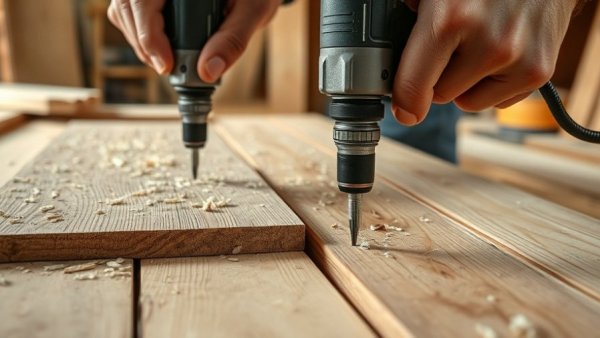
The blind hole test is designed to assess accuracy and drill performance, crucial for homeowners, DIY enthusiasts, and contractors alike. In this test, the drill's ability to create precise holes without guidance is put to the test, which directly impacts the quality of DIY projects—be it a kitchen renovation or a deck building venture.
What Makes DeWalt a Go-To Brand?
DeWalt has built a reputation over the years for reliability and durability. With features like brushless motors and ergonomic designs, they cater to professionals and DIYers who demand efficiency without compromise. Whether you're a homeowner in Asheville looking for the best affordable DIY toolkits or a seasoned contractor in Raleigh seeking an electric tool starter set, DeWalt offers a wide range of options tailored to fit your needs.
Milwaukee’s Edge in Innovation
On the other hand, Milwaukee stands out for its innovative features and advanced technology. The brand emphasizes safety and precision, incorporating smart features like tool tracking and customizable settings. Known for strong battery life and high performance, Milwaukee is a favorite among contractors in Charlotte, especially for those requiring reliable instruments for their DIY tool recommendations for beginners.
An Unbiased Analysis of the Competition
During the blind hole test, both DeWalt and Milwaukee demonstrated impressive performance, but subtle differences became apparent. Users might appreciate the thoughtful design of Milwaukee's tools, while others may prefer DeWalt's straightforward reliability. This shows that both brands have their strengths, making the choice ultimately subjective based on your specific needs.
Why Homeowners Should Carefully Choose Their Tools
Choosing the right tools isn't just about brand names; it's about understanding the value they bring to your projects. For North Carolina homeowners embarking on DIY kitchen renovations or deck building, having the right arsenal can determine project success. An informed decision—whether that means using a compact power tool for small home projects or stocking your shed with a complete home improvement tool checklist for porch repairs—is critical.
Future Trends in Power Tools
As technology advances, the line between DIY and professional-grade tools is blurring. Expect to see a greater fusion of smart technology and eco-friendly designs in the coming years. Homeowners will be empowered to take charge of renovations, requiring budget DIY tool suggestions and the must-have tools for North Carolina deck building projects to maximize efficiency—whether it's summer exterior DIY tasks or winter home repairs.
Conclusion: The Implications for DIY Enthusiasts and Contractors
The blind hole test highlighted not just performance but also the necessity of understanding user needs. For NC homeowners, knowing which tools to invest in can lead to successful home projects that not only enhance property value but also provide satisfaction. Understanding the nuances between brands like DeWalt and Milwaukee will empower you to make the best decisions for your individual needs.
Looking to start your DIY journey? Make sure to arm yourself with the right tools, and consider local recommendations from experts to discover the best fit for your home projects.







Write A Comment