Add Row
Add Element
cropper
update
Carolina Home Improvement Hub
update
Add Element
  • Home
  • Categories
    • Tools & Materials
    • DIY Projects & Tutorials
    • Home Renovation & Remodeling
    • Smart Home & Tech
    • Home Interior Design
    • Landscaping
    • Local Expert Interviews
September 14.2025
4 Minutes Read

Unlocking the Secrets to Grow Grass from Seed with Success

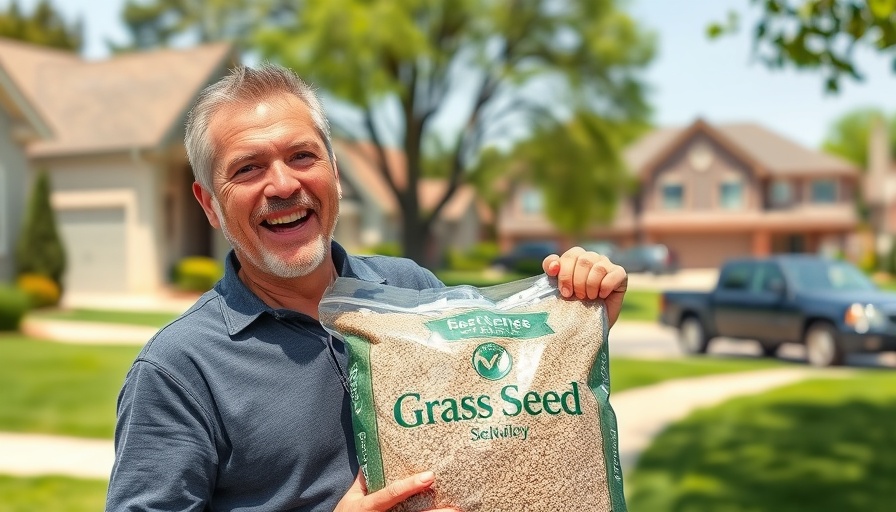
Middle-aged man showing grass seed bag for growing lawn.

Growing Grass from Seed: The Ultimate Guide

For both new and established homeowners, achieving a lush lawn may seem daunting, but with the right methods, you can successfully cultivate grass from seed with confidence. Whether you’re a DIY enthusiast or a landscaping contractor in Charlotte looking to enhance your services, getting the basics right can lead to nearly 100% success. Here’s a detailed guide on how to grow grass from seed effectively, ensuring vibrant greenery that enhances curb appeal.

In How To Grow Grass From Seed Without Fail, the discussion dives into effective grass cultivation methods, exploring key insights that sparked deeper analysis on our end.

Preparing the Seedbed for Optimal Growth

The foundation of growing grass lies in meticulous preparation. Before you sow any seeds, it’s critical to create a suitable seedbed. First, clear the area of any debris, weeds, or existing grass. You should be able to see the soil clearly. Once the ground is exposed, ensure it’s level to provide an even surface for planting. For small patches in an already existing lawn, focus on scuffing up those localized areas.

Next comes hydration: never sow grass seed on dry dirt. Instead, pre-moisten the soil before planting to provide the necessary moisture for germination. A damp seedbed not only helps in seed adhesion but also mitigates the risk of wind dispersing your seeds. Consider using a thatch rake or an electric scarifier to fluff the soil, allowing seeds better contact with the earth.

Seed Selection and Proper Distribution

Understanding the type of grass you wish to cultivate is essential. Different types have varying seeding rates; for example, some require 1-2 pounds per 1,000 square feet, while others might need as much as 10 pounds. If you're unfamiliar with the specific grass variety you’re planting, it's advisable to consult resources or links that provide seed-to-area recommendations.

For even distribution, utilize a whirly-bird spreader, a push rotary spreader, or even a simple hand method if the area is small. Ensuring that seeds are spread uniformly across the soil will lead to a denser and healthier lawn. After spreading, it’s critical to give everything a light watering—enough to ensure that the seeds adhere but not so much that pooling occurs.

The Importance of Peat Moss in Seed Germination

One step that many homeowners overlook is the application of peat moss, which provides an essential layer of protection and moisture retention for seeds. When you cover the freshly sown seeds with peat moss, it equalizes moisture, encouraging uniform germination across the lawn. While this might seem like an additional expense—averaging around $40 for enough peat moss to cover roughly 750 square feet—it’s a valuable investment.

Applying peat with a spreader can save time, but for smaller areas, using your hands to sprinkle it directly over the seed is equally effective. It might get messy, but you can’t underestimate the impact that this step has on your lawn's eventual growth.

Watering Strategies for Successful Grass Establishment

Watering is an ongoing responsibility during the grass establishment phase. The first day post-seeding is crucial—consistent and adequate moisture is paramount for seed germination. Watering multiple times throughout the day will keep the seeds moist without overwhelming them with water. If you're only able to manage one watering session, ensure it occurs at dusk to maximize the chance that water will remain on the ground overnight for absorption.

Keep in mind that different grass types will respond to your initial efforts at varying rates. For instance, Kentucky Bluegrass can take up to 30 days to fill in adequately, while others, such as Annual Ryegrass, might be visible within only ten days. Recognizing these patterns can better inform your expectations and follow-up maintenance practices.

Adapting Practices for Local Conditions

As you embark on your grass-growing journey, consider local conditions that may influence growth patterns. For example, low maintenance landscaping ideas in Raleigh, NC, suggest selecting native plants that are well-tuned to your specific climate, supporting sustainability and biodiversity. Emphasizing local and native varieties not only boosts your lawn's health but also aligns your project with ecological landscaping principles.

Common Missteps: What to Avoid

Avoid the trap of over-watering; it’s crucial to maintain moisture without allowing standing water. In addition, neglecting to check soil quality before seeding can lead to poor growth outcomes. Ensure you’re using the right soil amendments and preparing the seedbed correctly.

Keeping informed on best practices in your area can bridge the gap between novice errors and a beautifully established lawn. Resources such as local gardening centers or professional landscaping services can offer tailored advice specific to your home environment.

Call to Action

If you’re keen to cultivate an attractive lawn that serves as a welcoming aspect of your home, implement these strategies with diligence. Explore resources on low maintenance flower beds with NC perennials or xeriscaping tips for NC gardens to enhance your landscaping project further.

Landscaping

0 Views

0 Comments

Write A Comment

*
*
Related Posts All Posts
01.11.2026

How to Grow Lemons Indoors: Your Complete Guide to Citrus Gardening

Update Bringing the Citrus Experience Indoors Imagine reaching for a fresh lemon, plucked straight from your indoor garden. Growing citrus, specifically lemons, limes, or oranges, indoors can turn your home into a miniature paradise without the hassle of extended outdoor gardening. As an increasing number of homeowners delve into DIY projects that enhance their living spaces, nurturing these vibrant houseplants provides a tangible way to reap the benefits of gardening from the comfort of home.In 'How to Grow LEMONS Indoors / Outdoors in Containers (& Limes, Oranges)', the discussion dives into essential tips for growing citrus indoor and outdoor, exploring key insights that sparked deeper analysis on our end. Understanding the Basics of Growing Citrus To cultivate your indoor citrus garden successfully, it’s essential to learn about the plants' unique growing needs. Citrus trees generally thrive under warm conditions and require plenty of sunlight. In fact, an ideal location for these plants is near south or west-facing windows where they can bask in full sunlight for at least 8 to 12 hours a day. However, creativity can lead you to explore other placement options based on your home’s layout while ensuring that your plants receive adequate light. Transplanting Your Citrus: Setting the Foundation for Growth The journey of your citrus tree begins at the nursery. Transplanting is a critical phase that can influence growth patterns and fruit production. When selecting or repotting your citrus, use a well-draining potting mix and ensure the container has drainage holes to avoid root rot. The right soil blend will provide the essential nutrients that your citrus will need to flourish, leading to tastier fruits. Watering and Fertilizing: A Balancing Act Achieving the perfect watering schedule for your citrus plants is vital. Allow the soil to dry slightly between watering sessions. Overwatering is a common mistake that can lead to significant issues, so it’s important to monitor moisture levels closely. Additionally, fertilizing is crucial for sustained growth. Using slow-release fertilizers can provide your citrus with prolonged nutrient access, promoting healthier foliage and robust fruit development over time. Maximize Your Outdoor Potential: Seasonal Growing Tips When the warm months arrive, transferring your potted citrus outdoors can maximize their growth potential. Ideal outdoor locations include patios or balconies where they can soak in sunlight. Just remember to gradually acclimate them to outdoor conditions to avoid shock. Positioning them in areas where they can receive filtered sunlight can prevent leaf scorching while promoting strong growth. Indoor Care: The Knowledge that Complements Outdoor Growth When cooler months come around, your citrus might require a move indoors. Maintaining a stable indoor environment is key; ensure constant temperatures above 60°F (15°C) to sustain health. Furthermore, indoor humidity can be crucial during the winter months. Keeping your citrus near other plants or employing a humidifier can create a supportive ecosystem that encourages productivity. This commitment will reward you with luscious fruits come spring. Ripening and Harvesting: Timing is Everything Knowing when to pick your lemons is perhaps one of the most thrilling aspects of growing citrus. Signs of ripening include a change in color from green to a vibrant yellow. Patience is critical; properly ripened lemons will yield the best flavor. Overall, the satisfaction derived from harvesting your produce cannot be overstated—it’s a gratifying culmination of your diligent efforts! Whether you are a seasoned gardener or someone just beginning your gardening journey, delving into the world of citrus is both rewarding and enjoyable. If you're eager to elevate your gardening game, consider exploring the integration of native plant landscaping ideas in North Carolina to further enhance your outdoor spaces. Call to Action: Start Your Citrus Journey Today! Embarking on the journey of indoor citrus gardening is not just about growing fruits; it's about enhancing your home life and creating a personal oasis. Begin your citrus adventure today! Investing time in tending your lemons can contribute to a lovely and fruitful home atmosphere.

01.03.2026

Transforming Your Houseplant Room: Functional Family Spaces that Inspire

Update Transforming Your Space: The Evolution of a Houseplant Room In the journey of home ownership, creating a cozy and vibrant environment has become paramount, especially for new and established homeowners who yearn for a slice of nature within their four walls. The recent exploration of the evolution of a houseplant room—showcased in the video HOUSEPLANT Room Tour & Its Evolution Over the Years—offers valuable lessons on enhancing domestic spaces with greenery. This tour illustrates not only the aesthetic appeal of plants but also their role in fostering family engagement and well-being.In HOUSEPLANT Room Tour & Its Evolution Over the Years, the discussion dives into the importance of creating a vibrant family space filled with nature’s beauty, sparking deeper analysis on how houseplants can enhance home life. Why Houseplants Matter: A Personal Connection For many families, the houseplant room signifies more than just decor. It is a functional space where loved ones gather. The presence of houseplants can enhance air quality, providing a natural filter for toxins while elevating mood and productivity. As the video demonstrates, adapting this room for a little one further emphasizes the connection between family and nature. A well-curated plant collection fosters curiosity and appreciation for the environment, teaching children responsibility through plant care. Curating a Low-Maintenance Plant Collection As homeowners seek to beautify their spaces, selecting plants that require minimal upkeep becomes essential, especially for busy families. Integrating houseplants that align with low maintenance landscaping ideas, like snake plants or pothos, allows for vibrant decor without adding to the burden of daily care. Incorporating such low-maintenance varieties not only saves time and effort but also ensures that individuals can enjoy indoor gardening without feeling overwhelmed. This ties neatly into the growing trend of DIY enthusiasts looking for manageable yet beautiful home improvements. Functional Design Meets Aesthetic Appeal As the video revealed, a room doesn’t just have to look good; it should serve a purpose. The transition made in transforming the houseplant room into a family-friendly space highlights architectural ingenuity that echoes current trends in home designs. Adding elements like seating or play zones not only fosters engagement but also enhances the opportunity for spontaneous family moments, turning the plant room into a sanctuary for relaxation and connection. Future Trends in Indoor Gardening The rapid growth in indoor gardening mirrors larger shifts toward sustainability and biophilia in design. Emerging trends highlight the integration of technology with traditional gardening, such as smart grow lights and automated watering systems, appealing to homeowners interested in a seamless blend of greenery with tech. This smart approach to indoor plants mimics outdoor conditions in a controlled setting, which can be particularly useful for residents of urban areas lacking access to natural environments. Periodic Refresh: Keeping Your Plant Collection Dynamic Houseplant enthusiasts understand that while plants do grow, tastes can also evolve. The ability to refresh and curate collections based on personal enjoyment or seasonal changes introduces a dynamic flair to home design. Consider possibilities like incorporating seasonal displays or rotating plants based on performance—such as placing sun-loving varieties near windows during summer while shifting hardier plants to lower-light areas as days get shorter. Why Every Homeowner Should Consider Houseplants The integration of houseplants not only beautifies homes but also promotes environmental well-being and personal ties within families. Emphasizing this aspect can inspire those with homes in areas like Charlotte or Raleigh to explore front yard landscaping ideas that incorporate native or pollinator-friendly plants. Not only will this enhance property value, but it supports local ecosystems as well. As you look to enhance your houseplant collection, remember that it’s not just about choosing the right decor; it's about creating an environment that fosters family togetherness and encourages children to appreciate nature. If you are in the process of transforming your living space or simply looking for inspiration for your indoor garden, now is the time to embrace the myriad benefits that houseplants offer, reconnect with nature, and enhance your home with greenery. It's about creating a place that keeps evolving, just like the plants that thrive within it.

12.28.2025

Transform Your Home with Stunning Landscaping Ideas from Longwood Gardens

Update Discovering Longwood Gardens: A Local Treasure Longwood Gardens, located in Chester County, Pennsylvania, is a magnificent destination for anyone with a love of nature and gardening. This expansive garden is not only a feast for the eyes, but it serves as a sanctuary for relaxation and exploration amidst a rich variety of flora. From rare trees and shrubs to a spectacular array of tropical houseplants in its renowned conservatory, Longwood Gardens hosts numerous ecosystems that illustrate the diversity of plant life.In LONGWOOD GARDENS - Complete Garden Tour in Autumn, the video highlights the beauty and variety of Longwood Gardens, prompting us to delve deeper into how these ideas can influence local landscaping choices. Why Longwood Gardens Matters to Local Communities In a world increasingly disconnected from nature, places like Longwood Gardens remind us of the importance of preserving green spaces. Gardens such as these serve multiple purposes: they are educational resources, promote biodiversity, and encourage community engagement. Local homeowners looking for landscaping inspiration will find abundant examples of sustainable, beautiful gardening that can elevate their own outdoor spaces. Emulating the Beauty of Longwood Gardens in Your Own Backyard For new and established homeowners, the trends and ideas available at places like Longwood can translate beautifully into personal landscapes. For instance, low maintenance landscaping ideas—such as incorporating native plants—can help reduce water usage while supporting local ecosystems. In cities like Charlotte, homeowners might consider front yard landscaping ideas that utilize vibrant perennials native to North Carolina. Four-Season Landscape Ideas Inspired by Longwood Imagine creating a four-season garden that provides visual interest year-round, inspired by the meticulously curated sections found at Longwood. Homeowners can achieve this by selecting plants that bloom at different times of the year, ensuring that even in the bleakness of winter, there is color and life in their gardens. Xeriscaping tips for North Carolina gardens can help in managing water usage while still providing a lush, vibrant landscape. The Importance of Pollinator-Friendly Gardens In addition to aesthetic appeal, it's crucial to think about creating pollinator-friendly garden designs. Pollinators like bees and butterflies play essential roles in ecosystem health and, by integrating native flowering plants, homeowners can contribute to a thriving local environment. Local contractors seeking to enhance their landscaping offerings might consider specializing in designs that prioritize pollinator habitats for environmentally conscious clients. Final Thoughts on Landscaping Inspiration The visit to Longwood Gardens shines a spotlight on the world of gardening, offering endless ideas and inspirations for those willing to nurture their own patches of nature. Whether you're a DIY enthusiast, a local contractor, or someone who simply appreciates the beauty of Mother Nature, Longwood serves as an invaluable resource for gardening philosophy that can be adapted to fit individual needs and styles. By blending aesthetic goals with ecological responsibility, homeowners and landscaping professionals can create stunning garden spaces that not only look good but also contribute positively to the surrounding environment. If you’re inspired to start your gardening project with new insights from our discussion of Longwood Gardens, explore local resources or consult with landscaping contractors to manifest your vision.

Terms of Service

Privacy Policy

Core Modal Title

Sorry, no results found

You Might Find These Articles Interesting

T
Please Check Your Email
We Will Be Following Up Shortly
*
*
*