


Did you know that neglecting clogged gutters and roof damage can lead to costly foundation repairs and mold growth? For Atlanta homeowners, seasonal home maintenance is not just about curb appeal but a critical shield against water damage and heat-related wear
Startling Facts About Seasonal Home Maintenance Every Atlanta Homeowner Should Know
Atlanta’s unique humid subtropical climate means heavy rains and hot summers can quickly deteriorate a home’s structure if routine seasonal home maintenance is overlooked. One crucial aspect often underestimated is gutter upkeep. Clogged gutters and downspouts can cause water to pool near your foundation, resulting in erosion, basement flooding, and expensive structural damage.
Anthony Riviere, a property management expert from the The Bernstein Group, emphasizes this risk: “If you’ve planned how you want to get the water away from your home, go ahead and make sure that system is actually working when it needs to.” Ignoring spring roof inspections or HVAC maintenance drastically shortens the lifespan of key systems, causing premature replacements. Proper home maintenance is your first line of defense against costly repairs and safety hazards like mold.
What You'll Learn: Essential Seasonal Home Maintenance Tasks for Atlanta Homes
How to inspect and maintain your roof and gutters to prevent water damage
Key HVAC maintenance tips to extend system lifespan
Landscaping and drainage strategies to protect your foundation
Spring and summer-specific home maintenance tasks
Expert advice from Anthony, Atlanta property management professional
Spring Maintenance: Roof and Gutter Care to Prevent Foundation Damage

Why Clogged Gutters Are a Major Concern in Atlanta
In Atlanta, debris such as leaves and pine needles accumulate quickly, especially in spring after storms. This buildup can clog gutters and downspouts, disrupting the proper flow of water. Instead of directing rainwater safely away from your home, clogged gutters allow water to spill next to your foundation. Over time, this leads to significant erosion and weakening of the foundation’s soil bed.
According to Anthony Revere of The Bernstein Group, LLC, “Clog gutters and downspouts probably cause homeowners more issues than anything else.” Ignoring this can lead to basement flooding, wood rot, and dangerous mold growth inside walls which compromises structural integrity. Spring maintenance includes thorough roof inspections for damaged shingles, branch debris removal, and clearing gutters ensuring water flows effectively through its drainage system.
Summer Maintenance: HVAC System Care and Landscaping for Optimal Efficiency
Landscaping Tips to Manage Heavy Rain and Humidity

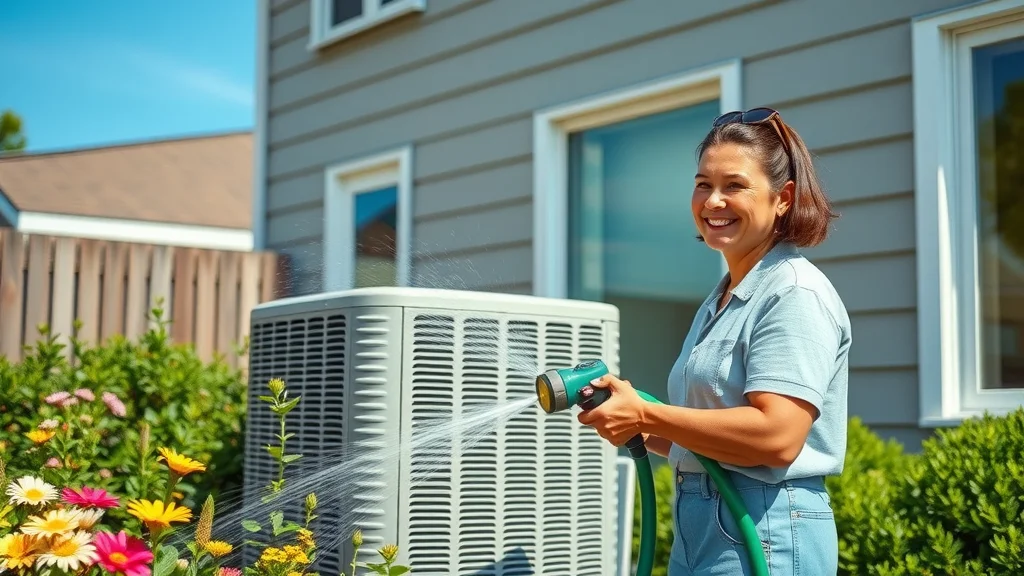
Summer in Atlanta brings intense heat combined with high humidity, which puts extra stress on HVAC systems. Keeping your air conditioning unit clean and clear of leaves or debris is essential. Anthony Riviere stresses, “If you don’t do that, you don’t change filters, you’re looking at something that’s going to end up having to be replaced prematurely.” Routine cleaning and timely filter replacement can extend your HVAC’s life up to 15-20 years.
Landscaping adjustments also play a critical role in seasonal home maintenance. Proper grading and using mulch help absorb heavy rainfall and prevent pooling near the foundation. Installing or adjusting drainpipe extenders toward safe drainage zones ensures water moves away from your home. Deep-rooted plants can also help maintain soil stability and reduce erosion caused by frequent summer rains.
Home Maintenance Checklist: Key Tasks to Include Year-Round
Maintenance Tasks to Prevent Carbon Monoxide Risks
Seasonal home maintenance is not limited to exterior upkeep. Checking and maintaining carbon monoxide detectors is vital for home safety in all seasons. Annual testing ensures these life-saving devices function correctly, protecting from odorless, deadly gas leaks.
Dryer Vent Cleaning and Other Often Overlooked Tasks
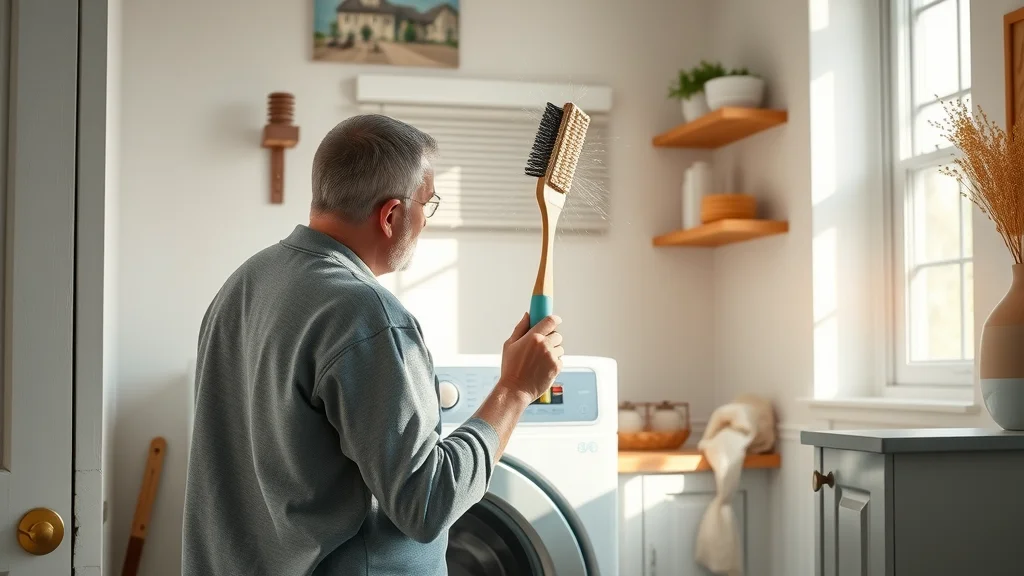
Another commonly missed maintenance task is cleaning the dryer vent. Over time, lint accumulation can lead to inefficient drying and fire hazards. Making dryer vent cleaning part of your routine seasonal checklist improves safety and energy efficiency. Other overlooked tasks include inspecting windows and doors for seal integrity to enhance energy conservation during temperature extremes.
Expert Insights: Anthony’s Best Practices for Atlanta Homeowners
Anthony, of The Bernstein Group, LLC, explains, "If you’ve planned how you want to get the water away from your home, go ahead and make sure that system is actually working when it needs to."
Anthony’s advice underlines the importance of proactive maintenance to avoid escalating repair costs. He recommends integrating roof inspections into yearly spring routines, focusing on debris removal, damage repair, and ensuring gutters operate without blockages. Additionally, clearing leaves and debris from HVAC outdoor units before summer ensures maximum cooling efficiency and extended system longevity.
Common Mistakes and Misconceptions in Seasonal Home Maintenance
Many homeowners underestimate the significance of seasonal tasks, believing routine cleaning is sufficient. Neglecting inspections can lead to missed minor roofing damage that snowballs into major leaks. Others assume their HVAC systems require professional servicing only when broken, but regular filter changes and outdoor unit cleaning are critical preventative measures.
Ignoring gutter cleaning or foundation drainage planning is another frequent error leading to costly water damage. Misconceptions such as “my gutters don’t need attention if it hasn’t rained” or “I can skip spring inspections” often result in overlooked debris buildup and unnoticed damage. Education and consistent maintenance are keys to overcoming these pitfalls.
Actionable Tips: How to Implement Your Seasonal Home Maintenance Checklist
Schedule roof and gutter inspections every spring: Set reminders to check for damaged shingles and clear gutters of debris promptly.
Clean HVAC units and replace filters before summer: Ensure units have airflow free from leaves and replace filters for optimal cooling performance.
Maintain landscaping to ensure proper drainage: Grade soil away from foundations and use mulch or plants to reduce erosion.
Test and replace carbon monoxide detectors annually: Prioritize safety by ensuring detectors work flawlessly.
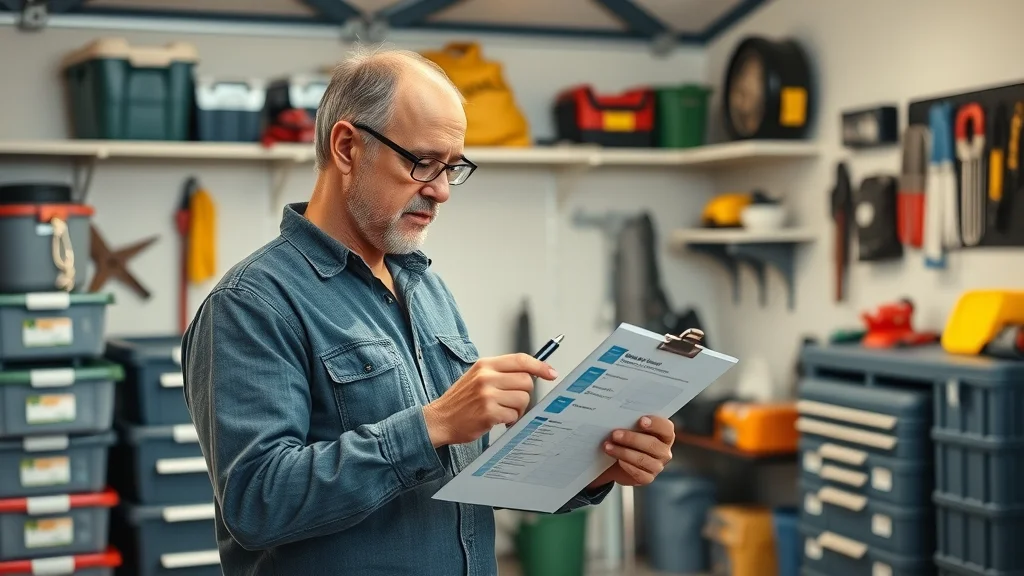
Keep a detailed maintenance log for your home: Track performed tasks, repairs, and inspections to stay organized and prepared.
People Also Ask: Seasonal Home Maintenance FAQs
How often should I clean my gutters in Atlanta?
In Atlanta’s climate, gutters should be cleaned at least twice annually—once in spring and once in fall—to remove leaves, pine needles, and debris that clog drainage. Additional checks after storms can prevent unexpected blockages.
What are the signs of roof damage after winter?
Post-winter roof damage can include missing or cracked shingles, granule loss, sagging areas, and evidence of leaks inside your home. Regular spring inspections help catch such damage early.
How can I improve my home’s curb appeal before selling?
Boost curb appeal by maintaining tidy landscaping, fixing any exterior damage, cleaning gutters, repainting trim if needed, and upgrading lighting. These enhancements make a great first impression and increase property value.
Key Takeaways: Maintaining Your Atlanta Home Year-Round
Regular seasonal maintenance prevents costly repairs
Gutter and roof care are critical to foundation health
HVAC upkeep extends system life and efficiency
Expert advice helps prioritize tasks effectively
A detailed checklist ensures nothing is overlooked
Conclusion: Protect Your Investment with a Seasonal Home Maintenance Routine
Start your seasonal home maintenance early—routine care prevents expensive damage and keeps your Atlanta home safe and comfortable all year.
Get Started: Download Your Free Seasonal Home Maintenance Checklist
Download our comprehensive checklist tailored for Atlanta homeowners today and stay ahead of maintenance challenges with expert-approved guidance.

Write A Comment